Pump diagnosis
Identify electric, air and hand pump symptoms by checking pressure rise, oil condition, valve function, motor behavior and hose connection integrity.
Field crews do not need generic repair promises. They need a clear path for pump diagnosis, pressure testing, cylinder pairing, hose review and replacement-part planning before downtime expands. Power Team service support is written for maintenance supervisors, distributors and shop teams who manage controlled-force tools across several jobsites.
Our process starts by identifying the tool family, pressure range, cylinder type, oil volume and duty cycle. From there, the team can separate routine seal service from valve, motor, coupler or reservoir issues, and it can point the inquiry toward repair, calibration, replacement or a more suitable pump package.
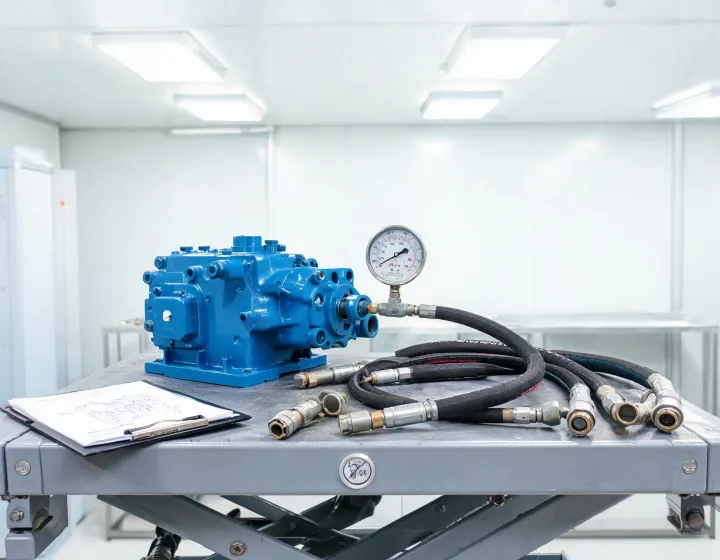
Every hydraulic problem looks urgent at the counter, yet the right answer changes when the issue is low flow, trapped air, pressure drift, damaged couplers or cylinder mismatch. These service tracks keep the conversation factual.
Identify electric, air and hand pump symptoms by checking pressure rise, oil condition, valve function, motor behavior and hose connection integrity.
Review tonnage, stroke, load path, return style and oil volume so cylinders are paired with pumps that can finish the work safely.
Map common service items such as seals, couplers, gauges, hoses and reservoir components before a tool is pulled from production.
Check whether the job calls for a puller, press, jack, torque wrench pump or a custom fixture conversation with an engineering contact.
A distributor may receive a note that a pump is "weak," a jack is "leaking" or a cylinder "will not retract." Without pressure readings, oil condition, coupler inspection and stroke data, the next step becomes guesswork and the same tool can come back again.
The inquiry is translated into pressure, flow, circuit type, component compatibility and repair-part availability. That makes it easier to quote the right part, specify a better pump package or escalate the application to engineering before the job window closes.
Attach the job condition in the message field. Include pump type, cylinder tonnage, hose length and whether the tool is used for lifting, pressing, pulling or bolting.
Share the pump type, cylinder capacity, working pressure or job condition. A technical specialist will respond with a practical next step.